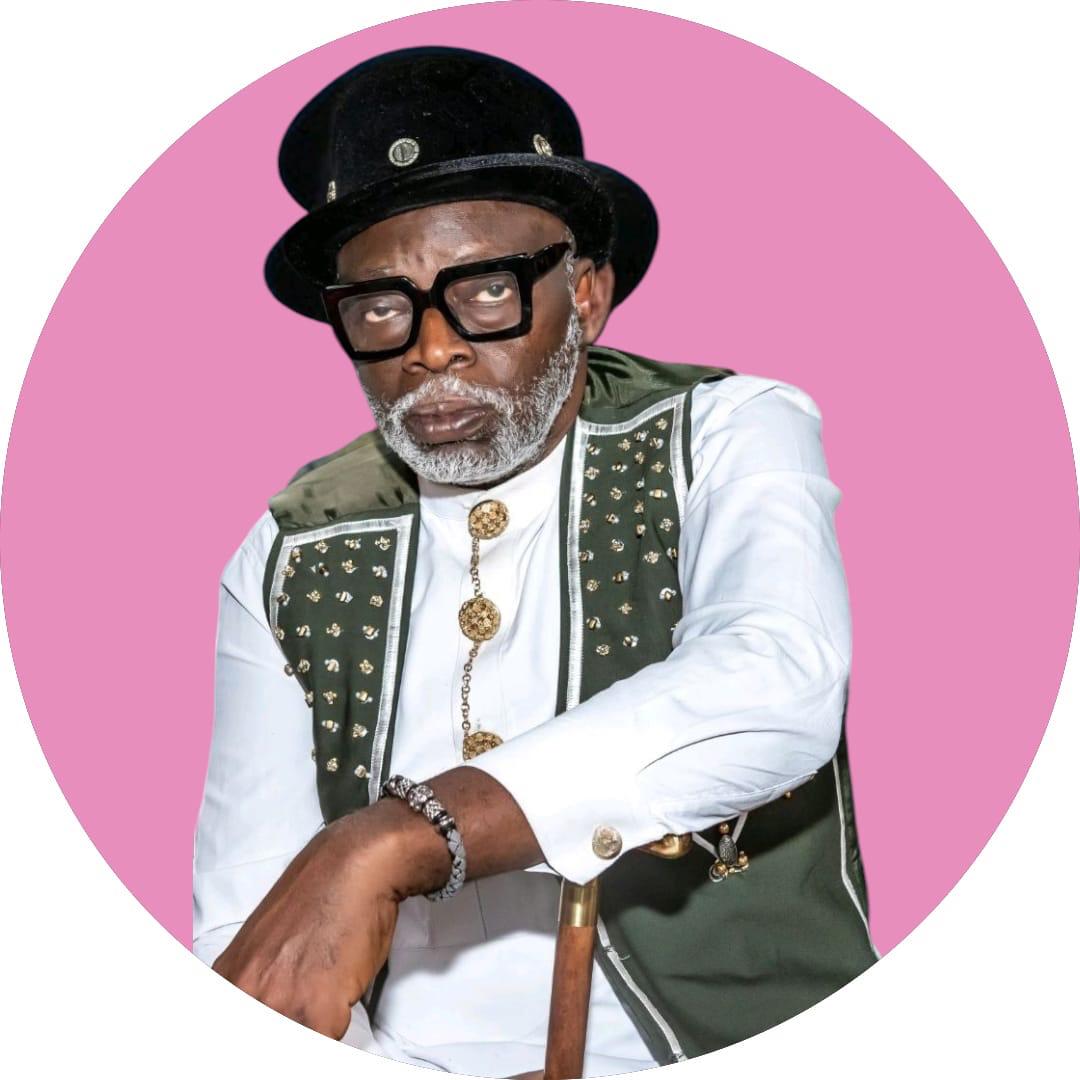
The Orchard of Power: How Public Wealth Was Harvested – By Chief Sam Agụlefo (Anịebụya N’Ogidi)
Under the watch of Bola Tinubu and the legislative leadership of Godswill Akpabio, governance in Nigeria adopted a troubling logic—one where public money seemed to sprout effortlessly for those in authority, while citizens were urged to endure hardship.
Inside the Nigerian Senate and the House of Representatives, budgets ballooned and allowances multiplied as the economy struggled for breath. Luxury SUVs appeared like ripe produce. Foreign trips flourished unchecked. New budget lines emerged overnight—murky, unexplained, and insulated from scrutiny. In this orchard of excess, accountability remained barren.
As lawmakers feasted, ordinary Nigerians queued. Fuel prices surged, food costs exploded, and the naira weakened. Calls for “shared sacrifice” rang hollow when sacrifice was demanded only of the poor. It became governance by display: patience for the people, speed for privilege.
Parliamentary debate grew louder but less meaningful. Oversight thinned as loyalty displaced principle. Questioning spending invited hostility; transparency was treated as opposition. The ruling All Progressives Congress spoke the language of reform while practicing indulgence, hiding excess behind procedure and numbers.
Thus, money “grew on a tree”—not through productivity or innovation, but through access: access to power, to votes, to rubber stamps. Watered with public funds, guarded by silence, harvested by a few—while the many swept the fallen leaves.
History will ask why comfort was chosen over conscience, consumption over compassion. And the people will remember that in a season of hunger, those entrusted to serve chose to dine.
Aniebuya Unplugged
By Chief Sam Agụlefo (Anịebụya N’Ogidi)